Some of the most stubborn moisture problems in North Texas are the ones nobody can see. A plumbing leak under a concrete slab can run for weeks, soaking the ground and rising into flooring and walls, and mold damage can follow before the homeowner knows anything is wrong. This post explains what a slab leak is, how the region’s clay soil can contribute, and which signs to watch for.
What a Slab Leak Is
Many homes in the region are built on concrete slabs, with water and drain lines running in or beneath the concrete. A slab leak is a leak in one of those lines. Because the pipe is buried, the water escapes where nobody looks, and the first signs may be indirect. Over time, the moisture can reach flooring, baseboards, and the bottom of walls. Anyone who suspects a hidden leak can start with the contact page.
How Clay Soil Plays a Role in Mold Damage Risk
North Texas has expansive clay soil, which swells when wet and shrinks when dry. Those seasonal swings can move a foundation by small amounts, and movement can stress pipes in or under the slab. This does not mean every home will develop a leak, but it helps explain why slab leaks are a known issue in the region. The service area includes Duncanville and many other communities across the Metroplex.
Signs of a Slab Leak and Mold Damage
Common clues include the sound of running water when everything is off, a water meter that moves with all fixtures closed, and an unexplained jump in the water bill. Warm spots on the floor can point to a hot water line, and damp or discolored flooring can point to a leak below. Cracks in tile, baseboards pulling from the wall, and low water pressure are other signs. In Fort Worth, checking the meter takes only a few minutes.
A Simple Meter Check
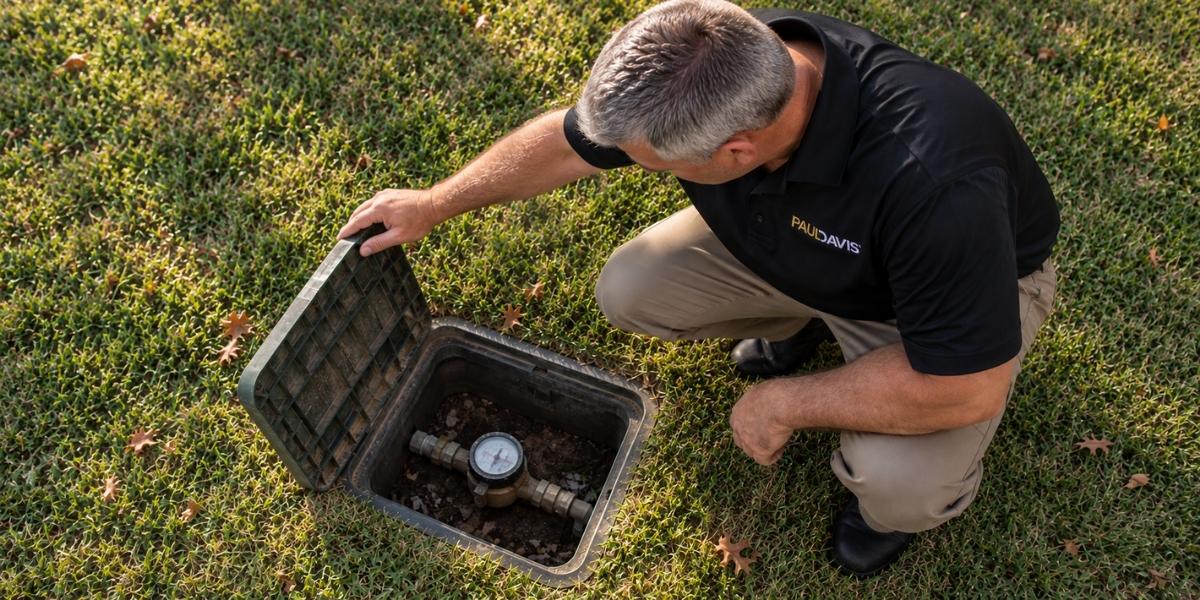
Turn off every water fixture and appliance in the house, then look at the water meter. If the dial or leak indicator keeps moving, water is flowing somewhere. A plumber can then use leak detection tools to find the source. If the meter is still, the leak may be intermittent or may not be in the supply line, so watch for other signs.
How a Slab Leak Becomes Mold Damage
Water from a slab leak rises through concrete and soaks whatever sits on top, such as carpet padding, underlayment, baseboards, and the lower drywall. These materials hold water and dry slowly. Mold can begin to grow within about 24 to 48 hours when materials stay wet, and a long leak gives it plenty of time. The first sign may be a musty smell from a room that looks fine.
Flooring, Walls, and Mold Damage
When the leak is found, wet flooring and the lowest section of drywall often need to be opened and dried. Hardwood can cup or buckle, carpet padding usually has to go, and baseboards may need removal. Moisture readings show how far the water traveled. Repairing the pipe without drying the structure can leave mold damage behind.
Insurance and Documenting Mold Damage
Policies differ on slab leaks, so read yours or ask your agent what applies. Photograph the damage, keep plumbing and repair invoices, and note when you first noticed the signs. A paid, documented assessment by qualified technicians can help clarify the scope. Good records speed up any claim discussion.
When to Call a Plumber, and When to Call for Restoration
Call a plumber first if you suspect a leak, and call a restoration professional when flooring or walls are wet or smell musty. Anyone in Lancaster who suspects a hidden leak can ask for an assessment before the damage spreads. Small patches of surface growth on hard materials, generally under about 10 square feet, can be cleaned with detergent and water, with gloves and a mask for protection.
How Paul Davis of Central DFW Can Help
Paul Davis of Central DFW has IICRC-certified technicians and holds state licenses in mold and asbestos work. The company offers a paid Professional Damage Assessment that identifies hidden moisture and provides a clear scope of work, and it credits the fee to the job if you proceed. It offers 24/7 emergency response, typically on site within 60 to 90 minutes. To read more, see the residential mold damage page and the testimonials page.
Frequently Asked Questions
What is a slab leak?
A leak in a water or drain line that runs in or under a concrete slab foundation.
Can clay soil cause a slab leak?
Soil movement can stress buried pipes, which is one reason slab leaks occur in clay-soil regions.
How do I check for a hidden leak?
Turn off all water use and watch the water meter. If it keeps moving, water is flowing somewhere.
How soon does mold damage start after a leak?
The first one to two days after a wetting are when mold growth can begin.
Is the assessment free?
No. Paul Davis of Central DFW charges for its Professional Damage Assessment, and the fee is credited to the job if you proceed.
If you suspect a hidden leak and mold damage, Paul Davis of Central DFW can assess the damage.
Follow Paul Davis of Central DFW: Facebook | Instagram | YouTube